
Provincial Bridging Programs
When you look at the provincial licensing requirements for International Pharmacy Graduates (IPGs), the term "bridging program" pops up often and so do their steep price tag. When you're planning to move, cost is a major factor in all the decisions you make. As Pharmacists, we are taught to make evidence based decisions. So let's get you the information you need to make the choice that best works for you.
What is a Pharmacy Bridging Program?
A bridging program is an intensive, university-level curriculum designed specifically for foreign-trained pharmacists. These aren't standard preparation courses; they are full-time, highly structured academic programs built to align your international training with Canadian entry-to-practice standards.
The curriculum focuses heavily on parts of the Canadian healthcare environment that your past experience or degree might not have covered:
The Canadian Healthcare Framework: Learning the practical mechanics of how federal, provincial, and private insurance drug benefit plans interact on the pharmacy floor.
Therapeutic Communication: Shifting your professional communication style to match Canadian cultural safety, health equity, and patient-centered counseling models.
Jurisprudence and Ethics: Navigating the strict legal and ethical boundaries that dictate a pharmacist's daily scope of practice in Canada.
The primary institutions offering these accredited tracks are:
University of Toronto (IPG Program)
University of British Columbia (CP3 Program)
University of Alberta (Certificate to Canadian Pharmacy Practice)
When is a Bridging Program Mandatory?
A major source of confusion for IPGs is whether they have to take a bridging program to get licensed. The answer isn't a blanket "yes" or "no," it depends entirely on your target province and how you perform on your exams.
Let's look at the exact rules for each province that utilizes a bridging program, along with when you can bypass them:
1. Ontario (University of Toronto – IPG Program)
The Mandate: The Ontario College of Pharmacists (OCP) uses the IPG program as a mandatory remedial step for applicants who struggle with the entry exams.
The Exemption: You can bypass the U of T bridging program completely if you pass both Part I (MCQ) and Part II (OSCE) of your national PEBC Qualifying Exam on your very first attempt. If you miss the mark on either part during that first try, you are legally locked into completing the bridging program before you can move forward with licensing in Ontario.
You can re-take the PEBC exam without completing the bridging program.
2. Alberta (University of Alberta – CCPP Program)
The Mandate: The Alberta College of Pharmacy (ACP) requires internationally educated graduates to complete the Certificate to Canadian Pharmacy Practice (CCPP) program to bridge into the provincial healthcare environment.
The Exemption: ACP aligned its framework closer to Ontario's. You are exempt from the CCPP program if you pass both parts of the PEBC Qualifying Exam on your first attempt. Additionally, you are exempt if you graduated from an ACPE-accredited Doctor of Pharmacy (PharmD) program in the United States.
3. British Columbia (University of British Columbia – CP3 Program)
The Mandate: The College of Pharmacists of British Columbia handles things differently. The 24-week Canadian Pharmacy Practice Program (CP3) is generally mandatory for standard IPGs because the province's required 12.5-week Structured Practical Training (SPT) is built directly into the curriculum, there is no standalone option to do your hours outside of it.
The Exemption: Unlike Ontario or Alberta, BC does not offer an exemption based on passing your PEBC exams on the first try. The primary exemption applies to U.S.-licensed pharmacists who have logged at least 1,000 patient-care hours in the United States or Canada over the last three years.
The Financial and Strategic Evaluation
Let's look at the biggest hurdle of these programs: the price tag.
Tuition for university bridging programs in Canada is a major investment, typically costing anywhere from $10,000 to over $14,000 CAD depending on the school. Because these programs are full-time and highly demanding, working a standard job simultaneously is incredibly difficult. You are looking at a massive financial commitment combined with months of zero or low income.
If you are trying to navigate these requirements, keep these strategies in mind:
Protect Your First Attempt
Because university bridging courses become a legal, mandatory requirement the moment you hit an exam setback in many provinces, treating your first PEBC Qualifying Exam attempt as a "trial run" is a massive financial risk. Do not "just go see what the exam is like."
If we look at a strict cost and time analysis, a university bridging program will cost you roughly $13,500 to $14,200 CAD in tuition alone. Beyond the direct cash tuition, these programs demand 6 months to a full year of rigid, full-time academic commitment. That is a massive stretch of time where your ability to earn a full-time income is severely restricted, effectively costing you tens of thousands more in lost wages.
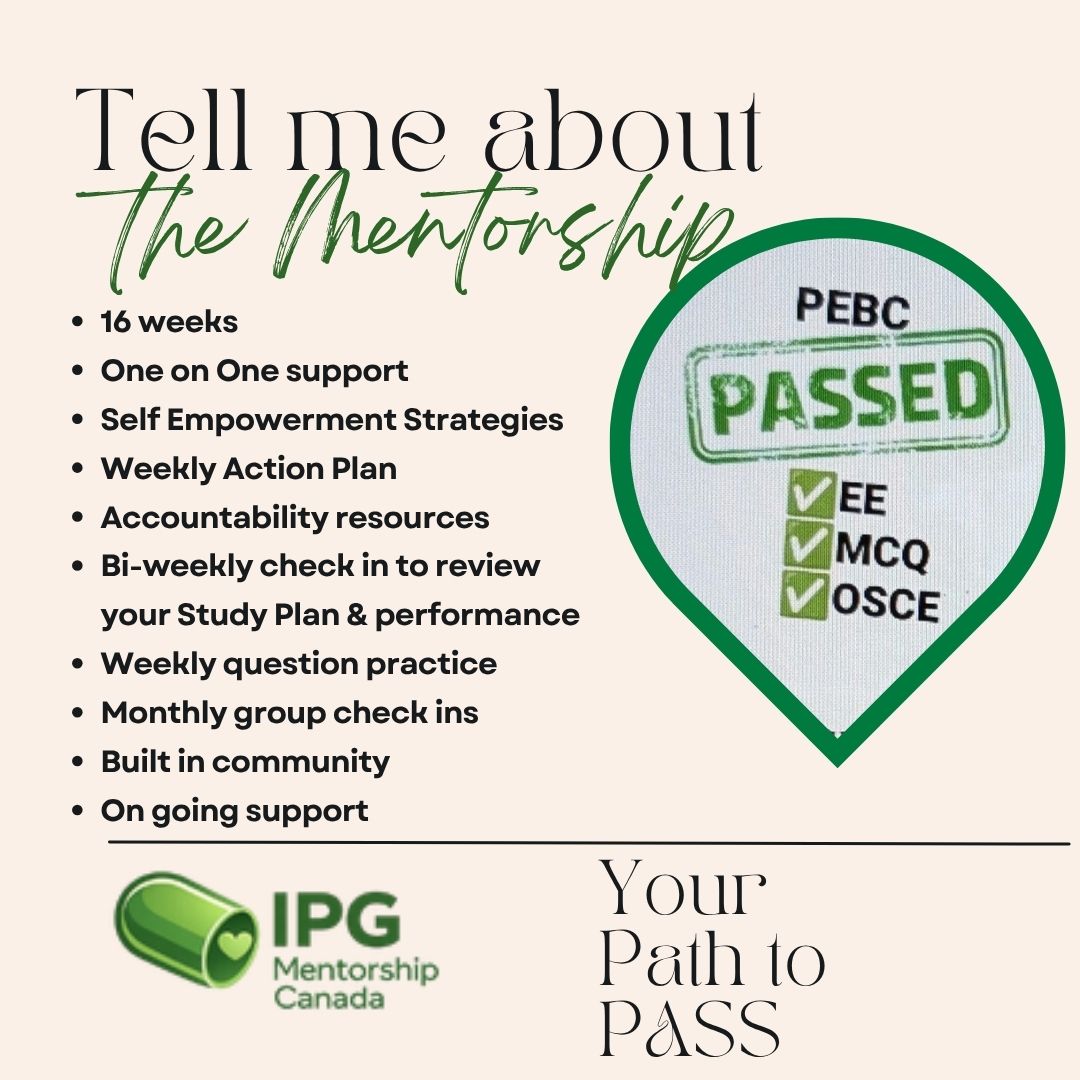
Investing in IPG Mentorship Canada's structured mentorship is a fraction of that financial cost and adapts dynamically to your lifestyle. By aligning your clinical logic and communication frameworks with us before you sit for the exam, you map out an efficient pathway to pass the MCQ and OSCE right out of the gate.
You save up to a year of time cost to complete your licensing process and increase your odds of bypassing a $14,000 bridging loophole.
Don't leave your licensing timeline to chance. Enroll in the comprehensive IPG Mentorship Canada program today, protect your capital, and let's secure your pass on the very first try.
Explore our PEBC Mentorship products
Evaluate the Network Value
If you do take a bridging program, whether by choice or due to regulatory requirements, maximize the investment. These programs significantly reduce the isolation many immigrant professionals feel. They connect you directly with university faculty, local practitioners, and a tight-knit peer group. Use this environment actively to build your professional network.
Focus on the Communication Shift
The biggest benefit of a university bridging track isn't the clinical data, you already have a pharmacy degree. The value lies in the live simulation labs, objective structured clinical examinations (OSCE) practice, and communication coaching. Use that time to strip away technical jargon and master the patient interaction styles required on a Canadian pharmacy floor.
Navigating Your Pathway with Clarity
Bridging programs are an excellent educational resource, but they represent a major pivot in your financial and time commitment to licensure. Your goal should be to approach them strategically, understanding the exact rules of your target province before you commit your capital.
At IPG Mentorship Canada, we help you understand the real operational choices behind your licensing timeline. We don't just coach you through the clinical endpoints; we help you look at provincial regulations objectively so you can make informed decisions about your preparation, protect your exam attempts, and budget for your transition efficiently.
Click here to book your 1-on-1 Mentee Chat and explore your Path to success
Ready to Map Out Your Next Move?
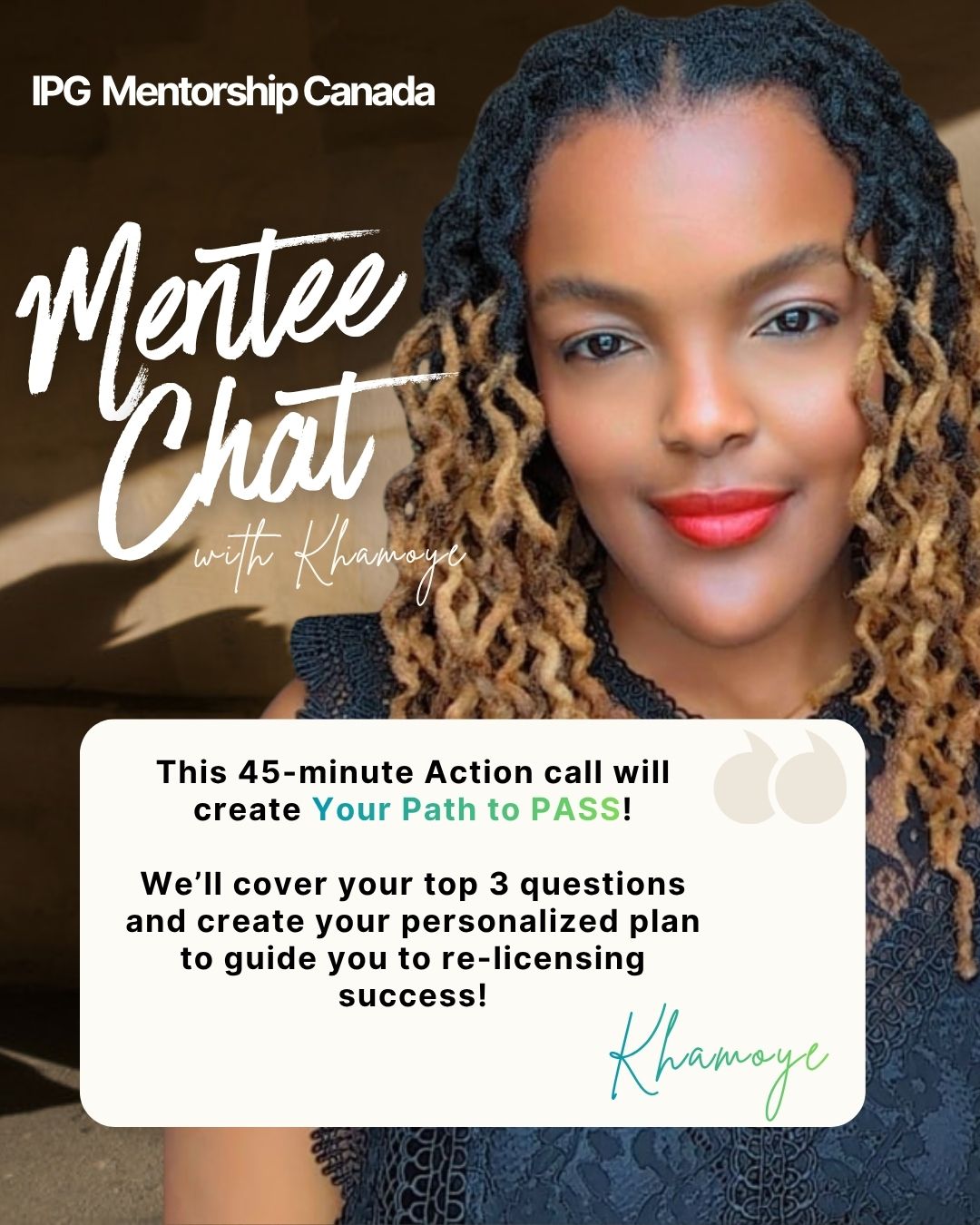
If you are trying to weigh the costs of a bridging program, figure out how to structure your studies to PASS your PEBC Qualifying Exam on your first attempt, or navigate specific provincial regulations, let's look at your options together.
This is a dedicated 45-minute Action call where we will break down your top three questions and build a customized, clear roadmap to get you licensed and optimize your cash flow.
Click here to book your 1-on-1 Mentee Chat and explore your Path to success
As your Canadian Pharmacist re-licensing concierge, you are in the best hands with IPG Mentorship Canada I'm not just showing you the Path to PASS (and you will PASS), I'm re-calibrating your mindset to thrive in Canada and thriving includes weathering your storms. Let's do this together!
I can't wait to talk with you again.
If this post resonated with you, please let me know. I want us to have a community together. Send me an email: [email protected]
Share your suggestions of topics you'd like discussed. This is our safe space.
Explore our PEBC Mentorship products
"Your Path to PASS!"